
Comparing Hartford and Farmers Insurance for Gig Drivers
As a gig economy driver, the right auto insurance can be the difference between a minor setback and a major financial hit. You’re using your car more, driving at odd hours, and relying on every trip for income—so generic personal policies often aren’t enough. Comparing Hartford and Farmers side by side helps you see which carrier offers stronger rideshare and delivery protection for the way you actually work.
In this guide, we’ll break down how Hartford and Farmers approach coverage for gig drivers, what their rideshare options typically include, and how to structure your policy so it protects your earnings instead of cutting into them.
Assessing Coverage Requirements for Gig Economy Drivers
Gig economy driving usually happens in “phases” — app off, app on and waiting, matched with a rider/order, and actively transporting. Many standard auto policies stop covering you once the app is on, which leaves dangerous gaps. Both Hartford and Farmers offer solutions designed to fill those gaps, but they handle them in slightly different ways.
Before you compare quotes, list how you use your car: rideshare, food delivery, package delivery, or mixed use. This helps you choose the right endorsement or commercial option instead of relying on a personal-only policy that may deny a claim if an accident happens while you’re working.
Get Auto Insurance Quotes
Get personalized auto insurance quotes tailored to gig drivers.
Explore Home Insurance Options
Protect the home and equipment you rely on between trips.
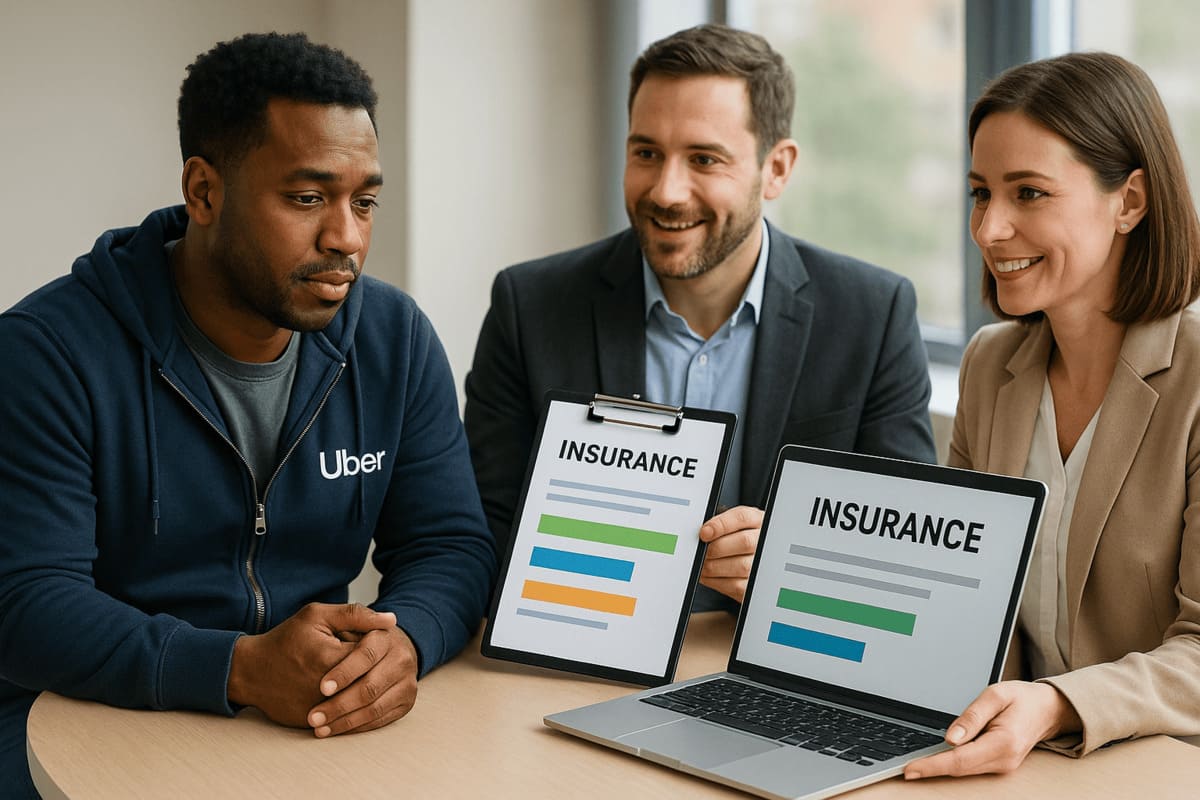
Hartford vs Farmers: How Rideshare Coverage Works
When comparing Hartford and Farmers, focus on how each insurer treats the phases of gig driving. Hartford typically offers a rideshare endorsement that extends your personal auto policy when the app is on, helping close the gap between personal coverage and the limited protection offered by the rideshare company itself.
Farmers provides a similar rideshare solution and often emphasizes protection when you are waiting for a ride request, not just when a trip is in progress. This can be especially important in busy urban areas where you spend a lot of time parked or slowly circling while the app searches for your next ride or delivery.
If you want to see where Hartford’s pricing starts for your profile, review Hartford insurance quotes that can be adjusted for rideshare and delivery use. From there, you can line up Farmers quotes to see which setup works better for your shift patterns and annual mileage.
Discounts and Ways to Save as a Gig Driver
Both Hartford and Farmers offer discounts that gig drivers can use to soften the impact of higher business-use risk. These may include safe-driver programs, telematics (tracking your actual driving behavior), multi-car discounts, and savings for paying in full or going paperless.
To keep your premium under control, try to:
- Maintain a clean driving record with no recent at-fault accidents or major violations.
- Set realistic annual mileage that reflects your gig use — not drastically underreported mileage.
- Consider a slightly higher deductible if you can comfortably handle an unexpected repair bill.
- Bundle auto with home or renters insurance when possible to unlock multi-policy savings.
If your driving profile is more complex or you’ve had prior incidents, it can also be helpful to see how Hartford treats higher-risk drivers. For additional context, you can look at guides such as obtaining a Hartford quote for high-risk drivers and compare that experience to what Farmers offers in your ZIP code.
Snapshot Comparison: Hartford vs Farmers for Gig Drivers
Use this quick snapshot to see how Hartford and Farmers typically stack up for rideshare and delivery drivers. Exact features and availability can vary by state, but this overview helps you spot which insurer feels closer to your work style and risk level.
| Key Feature | Hartford (Typical Approach) | Farmers (Typical Approach) |
|---|---|---|
| Rideshare coverage phases | Endorsement often extends personal policy when app is on, focusing on closing major gaps. | Strong emphasis on coverage while waiting for requests as well as on-trip. |
| Best suited for | Drivers who want solid, brand-name backing and straightforward endorsements. | Drivers who spend long hours online in dense city traffic and want flexible options. |
| Savings opportunities | Safe-driver, multi-car, and bundle discounts with home or renters policies. | Low-mileage, multi-policy, and safe-driver programs that can reward consistent habits. |
| Claims support | Well-known for structured claims processes and clear communication. | Competitive claims handling with strong agent-based support in many areas. |
| Policy flexibility | Good fit if you also want broader personal or business coverage with the same carrier. | Useful if you may later add more vehicles, business coverage, or specialty endorsements. |
Note: This table is a general comparison. Always check current policy terms and availability in your state before you buy.
Frequently Asked Questions
The questions below highlight the issues gig drivers ask about most often—coverage gaps, discounts, and how to keep premiums manageable when your car is both your personal vehicle and your main work tool.
What is the best insurance for gig economy drivers?
The best insurance for gig drivers usually includes a rideshare endorsement or specific business-use coverage that protects you while the app is on, not just during personal trips. Comparing options from Hartford and Farmers can help you find the mix of price and protection that fits your driving habits.
Do I need special insurance for rideshare driving?
Yes. Most personal auto policies exclude accidents that happen while you’re driving for pay. You’ll want a policy or endorsement that clearly includes rideshare or delivery use so you’re not relying only on the rideshare company’s limited coverage.
Can I get discounts on my auto insurance as a gig driver?
Many insurers, including Hartford and Farmers, offer discounts based on safe driving, telematics participation, low claims history, and bundling policies. Always ask which programs apply to gig drivers in your state before you finalize a quote.
How can I maximize my savings on auto insurance?
To keep costs down, compare quotes from at least two or three companies, match coverage limits and deductibles when you compare, and take advantage of programs that reward safe driving. Reviewing your policy every 6–12 months ensures your coverage still matches how often and where you drive for gigs.
Ultimately, both Hartford and Farmers can be strong options for gig economy drivers. The right choice comes down to which company covers all phases of your app use, how their discounts apply to your driving style, and which quote gives you the best balance of protection and monthly cost. Take a few minutes to compare, tune your limits and deductibles, and lock in coverage that supports the way you earn on the road.