
Compare Cheap Homeowners Insurance
Affordable homeowners insurance is not simply the policy with the lowest premium. A cheaper quote may use a higher deductible, lower limits, a different roof settlement method, or fewer endorsements. Compare equivalent protection first, then decide which policy provides the strongest value for the price.
How to Compare Affordable Homeowners Insurance
Start with several written quotes based on the same property information and policy settings. Change one factor at a time so you can see whether a lower premium comes from a genuine discount, a different insurer’s pricing, or reduced coverage.
Compare Equivalent Coverage
Ask every insurer to quote the same dwelling limit, personal property limit, liability limit, deductible, settlement method, and endorsements. Verify the roof age, construction, square footage, occupancy, protective devices, and prior-loss information before assuming one company is cheaper.
The NAIC recommends shopping among insurers, comparing coverage and deductibles, and asking about available discounts rather than relying only on the first premium shown. Review the NAIC homeowners insurance shopping tips.
Understand What May Be Different in a Lower Quote
| Quote item | Why the price may be lower | What to verify |
|---|---|---|
| Dwelling coverage | The rebuilding estimate or extended protection may be lower | The limit reasonably reflects rebuilding needs and policy terms |
| Deductible | The policyholder pays more after a covered loss | The amount is affordable and separate percentage deductibles are understood |
| Roof settlement | Older roofs may be settled using depreciation or a special schedule | Replacement cost, actual cash value, age limits, and exclusions |
| Optional endorsements | Water backup, valuables, or equipment coverage may be omitted | The quote includes the protections important to the property |
Begin with our home insurance comparison by ZIP code, then review the full written quote before making a decision.
Choose a Deductible You Can Pay
A higher deductible may reduce the premium, but it increases the cash needed after a covered loss. Compare the annual savings with the additional out-of-pocket amount. Also check whether wind, hail, hurricane, named-storm, or roof claims use a separate deductible.
Insure the Home for Rebuilding Needs
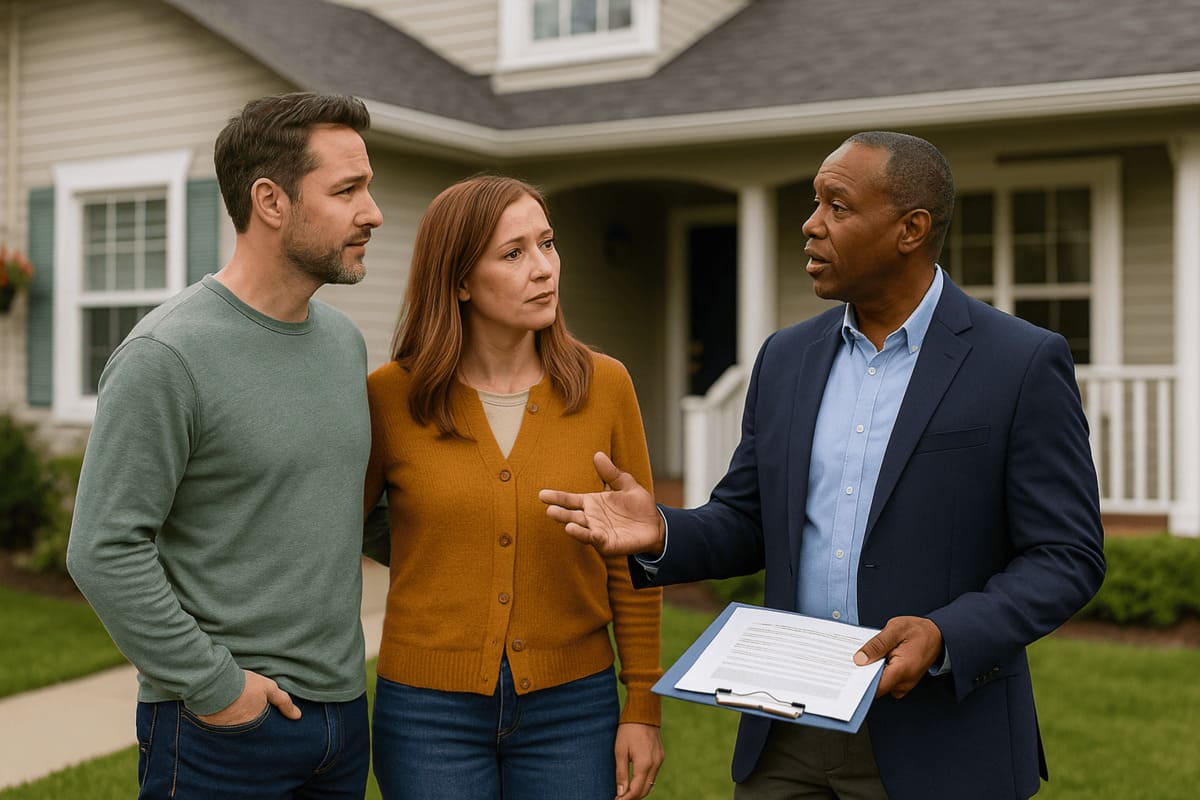
The home’s market price and the amount needed to rebuild it are not the same. Land value, local construction costs, debris removal, code requirements, materials, labor, and the structure itself can affect the rebuilding estimate. Do not lower the dwelling limit solely to obtain a cheaper premium.
Review whether the dwelling, roof, and personal property are settled at replacement cost or actual cash value. A lower premium can result in a smaller claim payment if depreciation applies.
Ask About Discounts, but Check the Final Price
Available discounts may include protective devices, roof updates, claim-free history, automatic payments, paperless billing, or multiple policies with the same company. Discounts vary by insurer and state, and a large percentage discount does not guarantee the lowest final premium.
When considering home and auto together, compare the full combined cost against separate policies. Our home and auto insurance bundle guide explains what to check before switching both policies.
Check Flood and Other Coverage Gaps
Standard homeowners insurance typically does not cover flood damage from rising water. Flood insurance is generally purchased separately. Depending on the location, also verify earthquake, wind, water backup, sewer backup, and other risks rather than assuming they are included.
A lower-priced homeowners policy may also use special restrictions for an older roof, vacant property, prior water losses, wildfire exposure, or coastal wind. Homeowners facing eligibility problems can review our high-risk homeowners insurance guide.
Questions to Ask Before Buying
- Are all quotes using the same dwelling, property, liability, and living expense limits?
- What deductibles apply to ordinary losses and severe-weather claims?
- How are the dwelling, roof, and personal property settled after a loss?
- Which endorsements or protections are missing from the cheaper quote?
- Which discounts are included, and what conditions keep them active?
- Which legal underwriting company will issue the policy?
- Does the insurer require an inspection, repairs, or updated property information?
- Can the annual premium and deductible both fit the household budget?
FAQ
Q: Is the cheapest homeowners insurance always the best option?
A: No. A lower premium may come with a higher deductible, lower limits, different settlement terms, or fewer endorsements.
Q: Can a higher deductible lower the premium?
A: It may, but it also increases the amount paid after a covered loss. Compare the annual savings with the additional out-of-pocket risk.
Q: Should dwelling coverage equal the home’s market value?
A: Not necessarily. Market value includes land and local real estate conditions, while dwelling coverage addresses rebuilding the insured structure according to the policy.
Q: Does homeowners insurance include flood coverage?
A: Generally, no. Flood insurance is usually purchased separately.
Q: Does bundling always create the lowest price?
A: No. Compare the combined bundled total with strong home and auto quotes from separate insurers using equivalent coverage.